Belfast is where Ireland and Scotland Luxury Tours began in 2008, so when guests ask us where to base themselves in the north, we answer with a hotel we know as well as our own homes. On our luxury tours of Ireland, that is usually the Culloden Estate and Spa, a five-star former bishop’s palace on the Holywood Hills, a few miles outside the city and looking straight down Belfast Lough.
From there, two or three days opens up a remarkable amount. Within half an hour of the Culloden’s front door you have the shipyard that built the Titanic, a Norman castle from 1177, a coastal fort that guarded the lough through two world wars, an open-air museum of old Ulster and one of the prettiest drives in the country down the Ards Peninsula. This is how we use Belfast and the area around it, and why we think it deserves more than a single night on the way to the Giant’s Causeway.
Why We Base Guests at the Culloden Estate and Spa
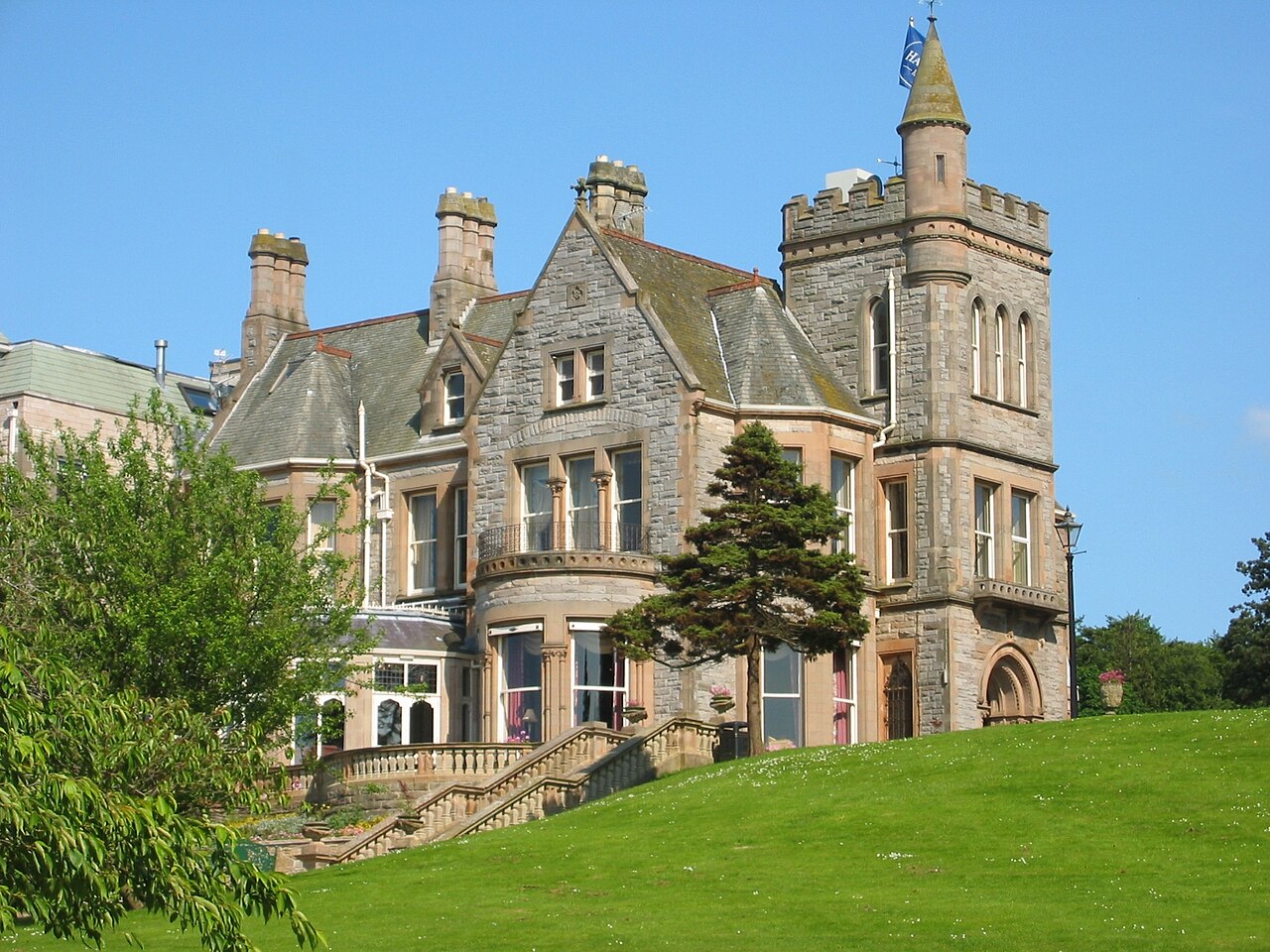
The Culloden Estate and Spa was once the official residence of the Bishops of Down, Connor and Dromore, and it has been welcoming guests since 1876. In 1996 it became the first hotel in Northern Ireland to be awarded five stars. It sits in 12 acres of landscaped gardens, and the rooms on the lough side look out over the water towards the Antrim hills, which is a fine thing to wake up to before a day of sightseeing.
For dinner there is Vespers, which holds two AA Rosettes, or the more relaxed Cultra Inn in the grounds. The spa uses ESPA treatments, and we often build a slower morning into a Belfast stay so guests can make use of it. Location matters just as much as comfort: the hotel is minutes from George Best Belfast City Airport, close to the Ulster Folk Museum and an easy drive into the city centre, the North Down coast and the Ards Peninsula.
Titanic Belfast: The Ship, the Yard and the City That Built Her
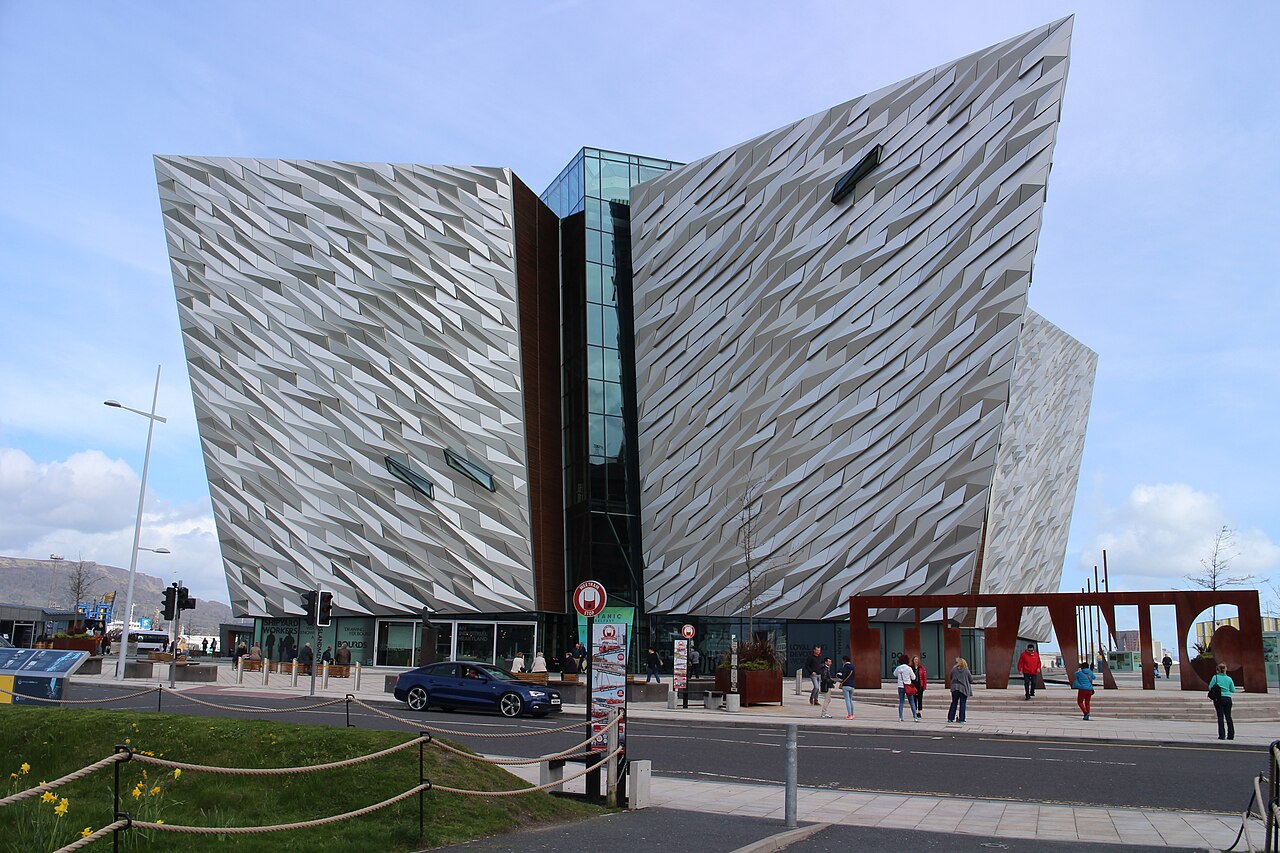
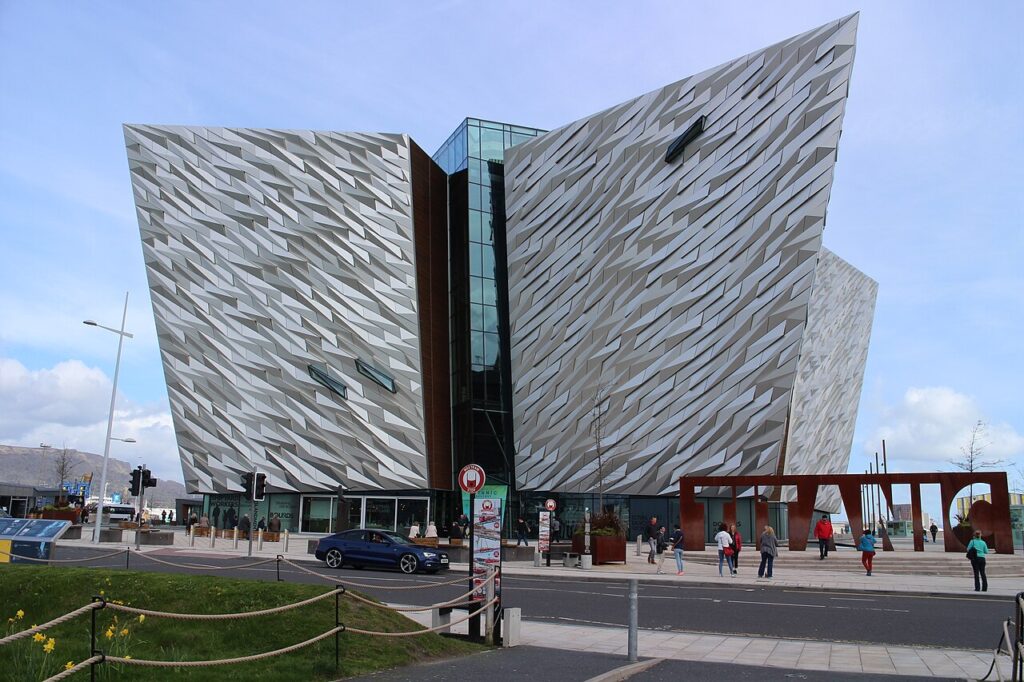
We tell every guest not to miss Titanic Belfast, and it is rare that anyone comes out disagreeing. The building opened on 31 March 2012 on the former Harland and Wolff shipyard, right beside the slipways where the Titanic and her sister ship Olympic were built. The building rises 38.5 metres, and its angular, silver-clad sides are meant to suggest the bows of the ships that once took shape on this spot.
Inside, the Titanic Experience runs through nine galleries that tell the whole story, from the boom years of industrial Belfast and the shipyard itself to the launch, the maiden voyage, the sinking and the discovery of the wreck. It was named the World’s Leading Tourist Attraction at the World Travel Awards in 2016. Allow at least two hours, and add time for SS Nomadic in the dock nearby, the last surviving White Star Line ship, which once ferried passengers out to the Titanic at Cherbourg. Last entry to the Titanic Experience is well before closing, so we plan it for the morning.
Belfast City Hall and the City Centre on Foot
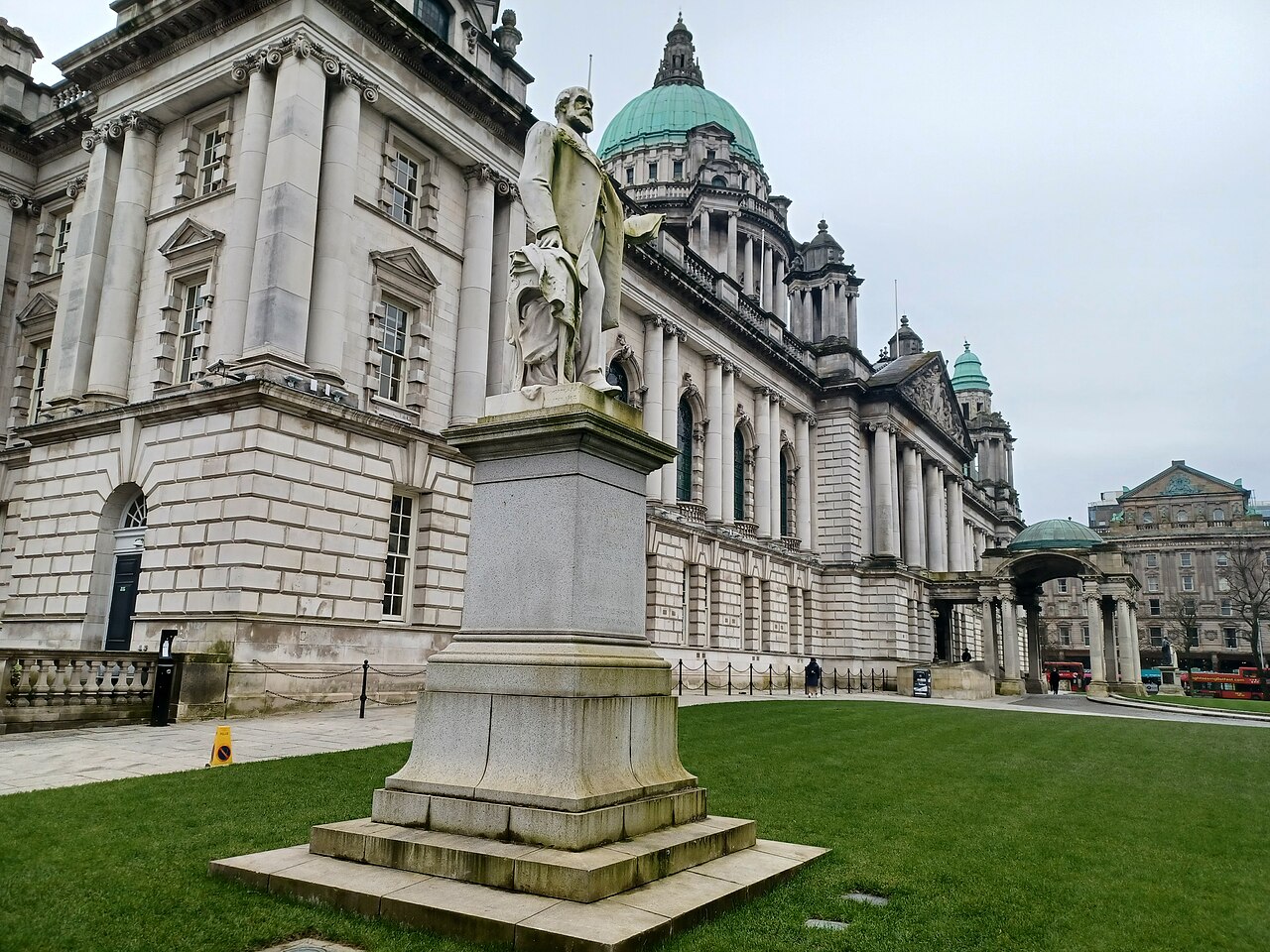
Belfast City Hall is something to behold in its own right. Built from Portland stone and opened on 1 August 1906, it was paid for by the profits of the city’s gas works at a time when Belfast was one of the great industrial cities of the world. The guided tours run daily and last around 45 to 50 minutes, taking you into rooms that are not usually open to the public. In the grounds is the Titanic Memorial Garden, and the visitor exhibition inside traces the city from its past to the present across six themed zones.
From City Hall, the centre is easy to explore on foot, and there are good walking tours that take in the Victorian streets, the Cathedral Quarter and the entries, the narrow alleyways where some of Belfast’s oldest pubs still trade. There are great pubs and restaurants all around, and we are always happy to book a table or point guests towards a traditional bar for an evening pint.
The Ulster Folk Museum and Transport Galleries at Cultra
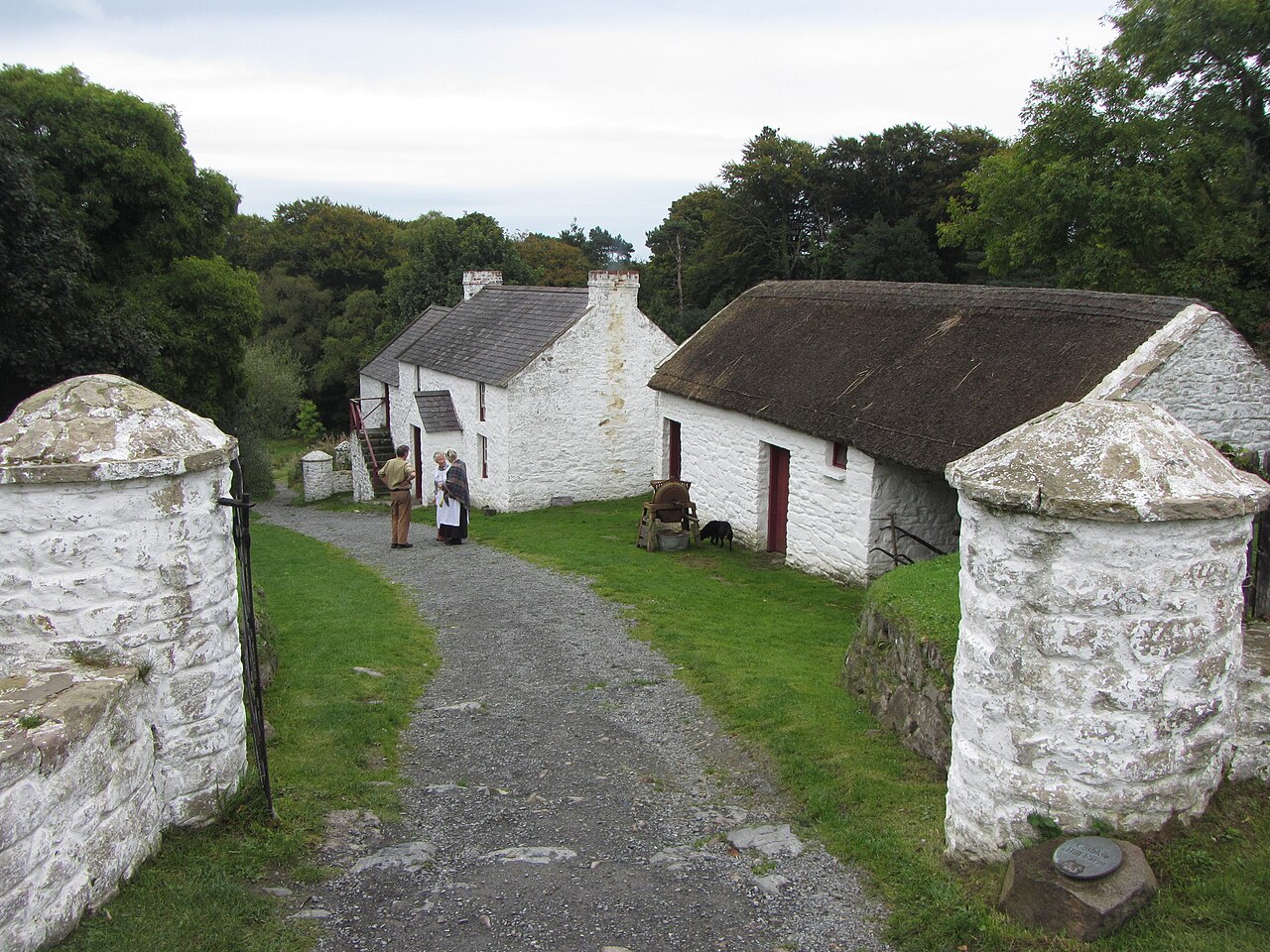
We enjoy taking clients to the Ulster Folk Museum, run by National Museums NI, and its location at Cultra makes it an easy half day from the Culloden. The museum is made up of old original buildings brought here from across Ulster and rebuilt stone by stone: thatched farmhouses, a spade mill, a schoolhouse, churches, shops and a whole small town street. Walking between them, often with a turf fire burning and a demonstrator at work, gives guests a real sense of how people lived here a century ago.
After the walk, the transport galleries are the other half of the visit, with steam trains, horse-drawn carriages and cars of the past, including some memorable locally built models. A major redevelopment of the Folk Museum is under way, backed by £50 million of investment, so parts of the site may change from one season to the next. We check what is open before every visit.
Carrickfergus Castle, a Real Jewel on Belfast Lough
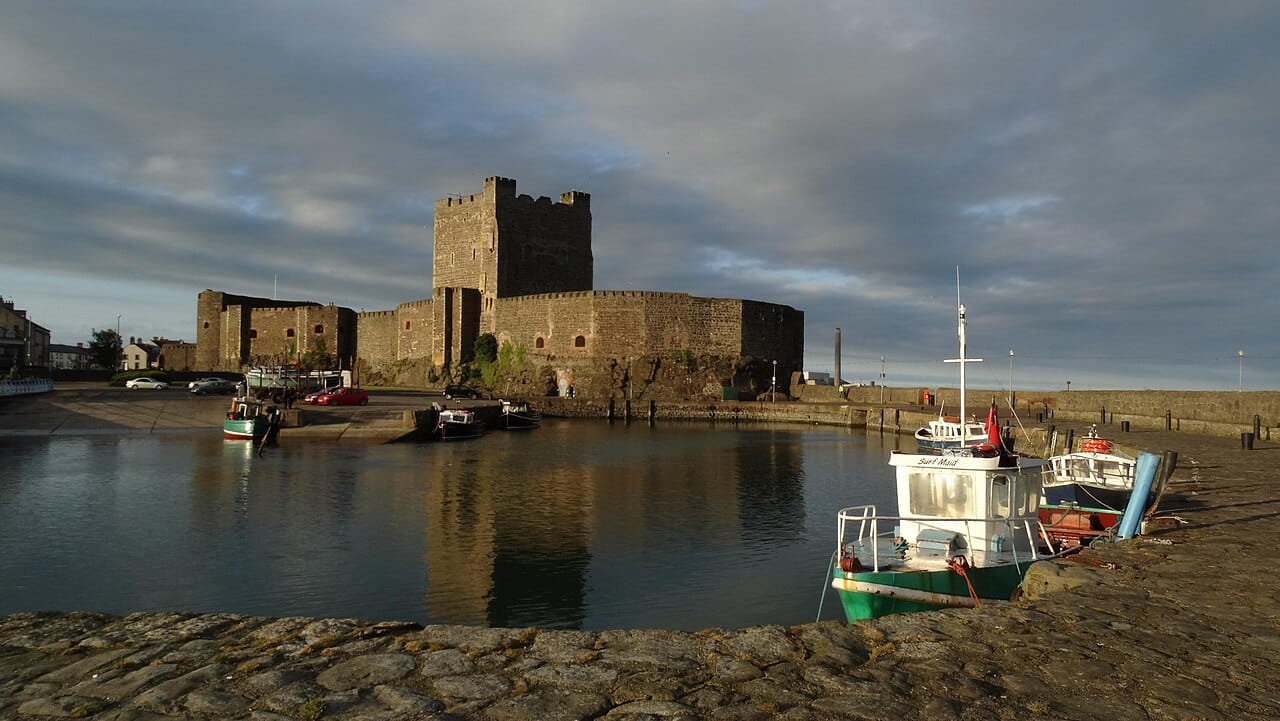
Across the lough from the Culloden, Carrickfergus Castle is a real jewel. It was built in 1177 by the Norman knight John de Courcy as his headquarters, and it is one of the best-preserved medieval fortresses in Ireland. Its great keep and curtain walls sit on a rock right at the water’s edge, and over eight centuries it has been besieged by Irish, Scottish, English and French forces.
King William III first set foot in Ireland here on 14 June 1690, on his way to the Battle of the Boyne, and the castle was still in use as an air raid shelter during the Second World War. The banqueting hall has been restored, and the walk along the ramparts gives good views back up the lough towards Belfast. It pairs naturally with a drive up the Antrim coast.
The Ards Peninsula and Mount Stewart
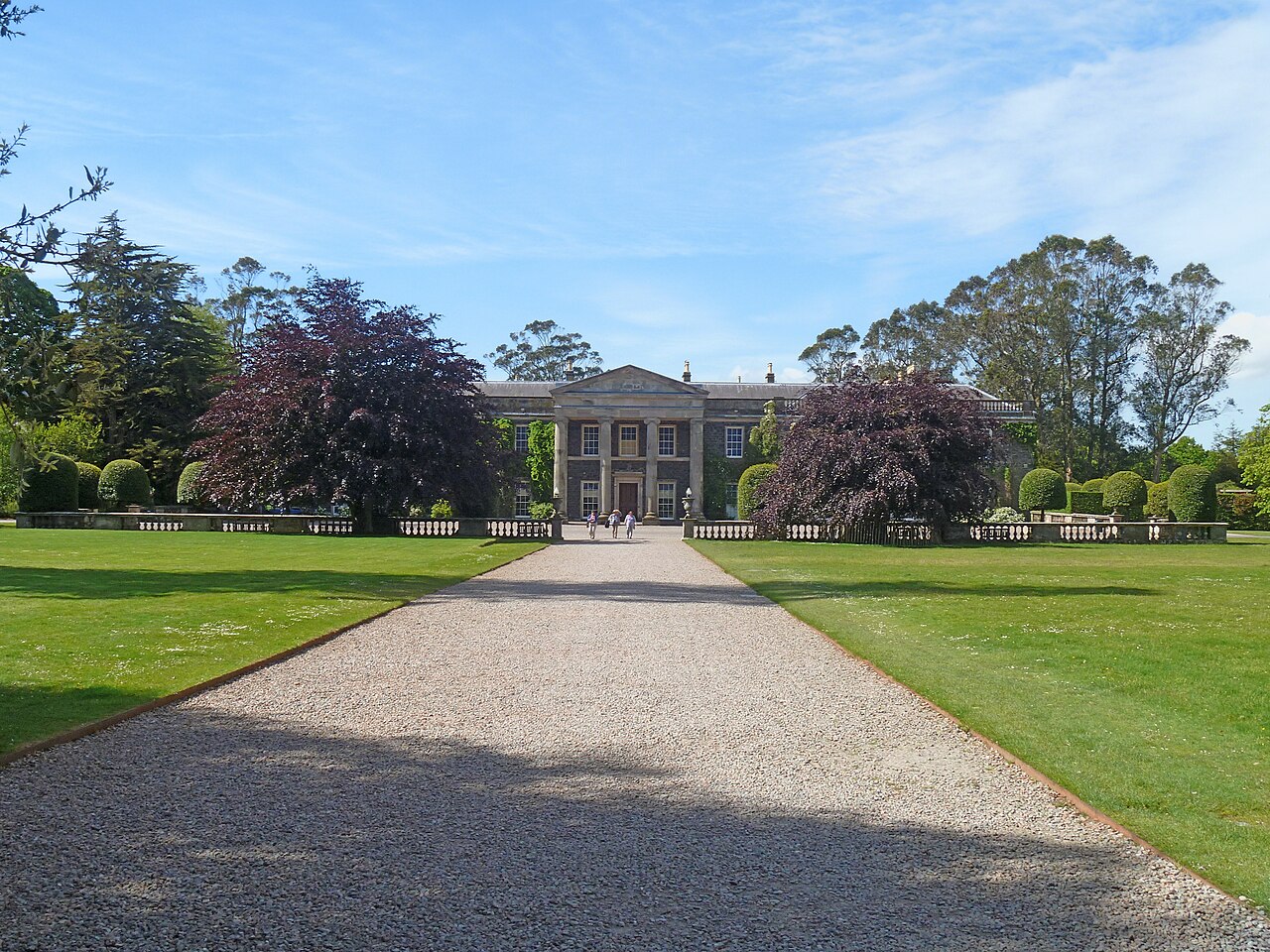
The Ards Peninsula is a great drive, with many places to stop and take in the views. One side runs along the Irish Sea through small fishing villages, and the other follows the shore of Strangford Lough, with its islands, birdlife and shifting tides. A full loop takes in the ruins of Grey Abbey, the village of Portaferry at the mouth of the lough and, if guests want, the short car ferry across to Strangford.
On the way down is Mount Stewart House and Gardens, the former home of the Londonderry family and one of the National Trust’s finest gardens anywhere. We have written about it in more detail in our guide to Mount Stewart, and it is one of the places guests most often tell us they wish they had given more time to.
Grey Point Fort at Helen’s Bay
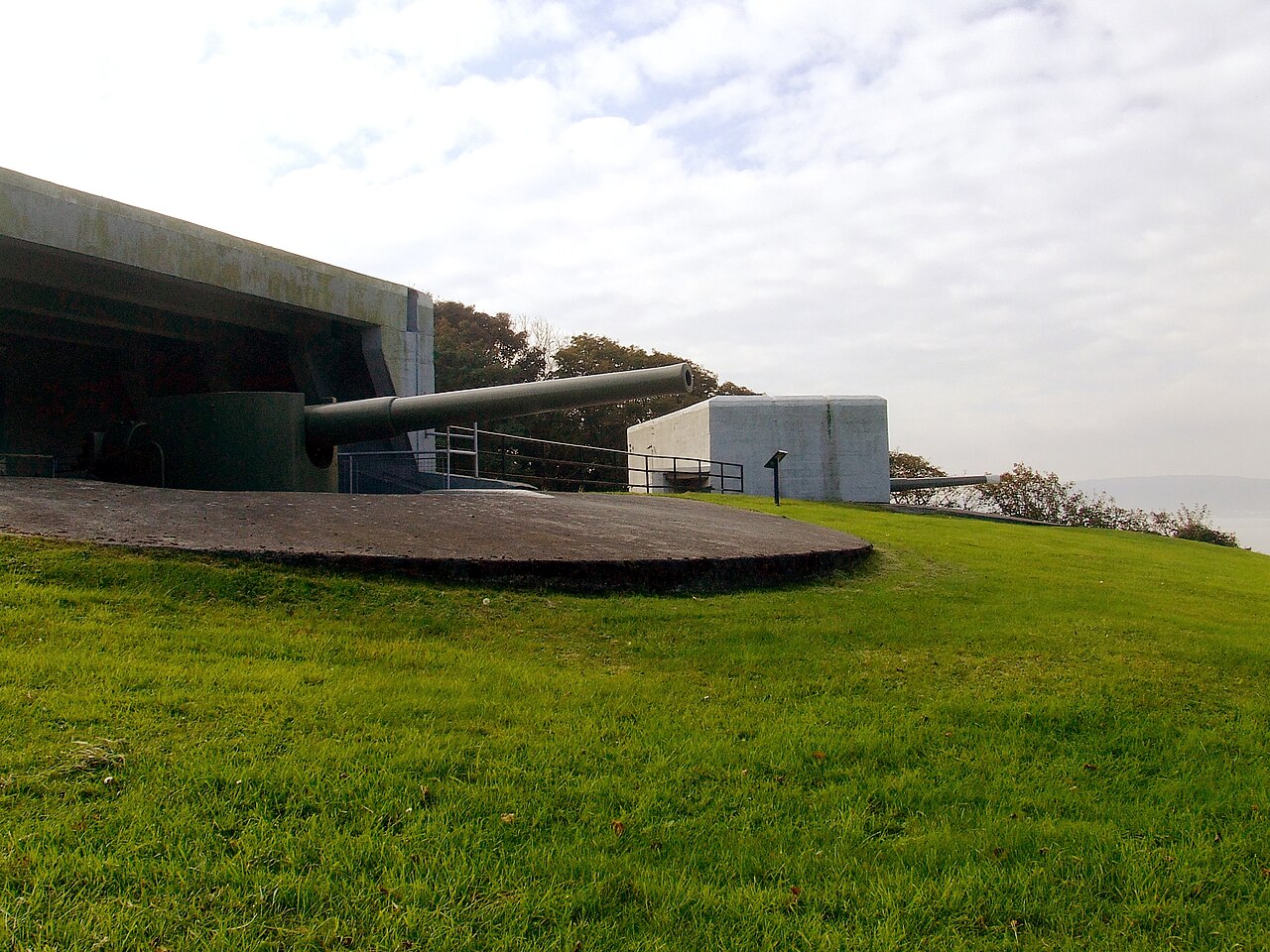
For guests with an interest in military history, Grey Point Fort at Helen’s Bay is a find. It is one of the best-preserved early 20th-century coastal defence batteries in the British Isles. Completed in 1907, it was built around two six-inch guns that covered the entrance to Belfast Lough, and the gun emplacements, the original observation post and three searchlight positions can still be seen.
Volunteers run a small military museum on the site, and opening days are limited, so we confirm in advance before adding it to a day. Even when the fort is closed, the walk along the North Down Coastal Path from Crawfordsburn Country Park passes right by it and is one of the nicest short shoreline walks near Belfast.
Seeing Belfast With a Private Driver-Guide, Not Just a Chauffeur
Many guests come to us looking for a chauffeur drive in Northern Ireland, and that is part of what we do. Your driver-guide meets you at the airport, whether that is Belfast City, Belfast International or Dublin, handles every transfer and stays with you for the whole tour. Our driver-guides, including Bill Dempsey and Austen Hunter, know this city and its history inside out, so the commentary between stops comes from experience rather than from a script.
That local knowledge is what makes two or three days here work. We know how to time the Titanic Experience, when to fit City Hall around its tour times, and how to fit Carrickfergus, Grey Point Fort and the Ards Peninsula into the same stay without anyone feeling rushed. There are no handovers and no outsourced drivers, which is something past guests mention again and again in our guest stories. You can read more about how we work on our About Us page.
Where Belfast Fits in a Private Tour of Ireland
Belfast and the Culloden appear on several of our itineraries, each with a different emphasis:
- 14-Day All Ireland Tour: two nights at the Culloden, with Belfast City and the Titanic Experience after the North Coast Road and the Giant’s Causeway.
- The Aristocrat Tour of Ireland: two nights at the Culloden, Titanic Belfast and the Folk Museum at Cultra.
- Ireland Castle Vacation: the Culloden Estate and Belfast Lough, with Carrickfergus Castle on the way up the Antrim coast.
- East Coast Luxury: Belfast and Titanic Belfast as part of a journey down Ireland’s east coast.
- Six Counties Cuisine: a Strangford Lough day taking in Portaferry and Mount Stewart, with dinner in Belfast.
- Ireland and Scotland Tour: Belfast as the natural link between the two countries.
Every itinerary is a starting point rather than a fixed package. If you are still weighing up how much time to give the north, our guide to planning a private luxury tour of Ireland and our post on combining Ireland and Scotland are good places to start.
Belfast Tour FAQs
How many days do you need in Belfast?
We recommend two or three days. That gives time for Titanic Belfast and City Hall, the Ulster Folk Museum at Cultra, Carrickfergus Castle and a drive down the Ards Peninsula to Mount Stewart, without rushing any of them.
Is the Culloden Hotel in Belfast?
It is just outside the city, on the Holywood Hills overlooking Belfast Lough in County Down. The city centre is an easy drive away, and George Best Belfast City Airport is only minutes from the hotel.
How long does Titanic Belfast take?
Allow at least two hours for the Titanic Experience and its nine galleries, plus extra time if you want to board SS Nomadic, the last surviving White Star Line ship, in the dock nearby.
Can we visit the Giant’s Causeway from Belfast?
Yes. Many guests combine a Belfast stay with the Antrim coast, Carrickfergus Castle, the Giant’s Causeway and Dunluce Castle. Our Dunluce Delights itinerary is built around the north coast.
Do you offer chauffeur-driven tours of Northern Ireland?
Yes. Every tour includes a private driver-guide who meets you at the airport and stays with you throughout, combining a chauffeur drive with expert local guiding. Tours run for a minimum of seven nights and are tailored to each guest.
Plan Your Belfast Stay With Us
Two or three days in Belfast can offer so many unique sightseeing opportunities, and they are even better with someone who calls the city home. If you would like Belfast and the Culloden built into one of our private luxury tours of Ireland, contact Ireland and Scotland Luxury Tours and tell us what you would like to see. We will come back with a proposal shaped around you.
Featured image: Titanic Belfast by Suicasmo, CC BY-SA 4.0, via Wikimedia Commons.